About
Surgeon.Scientist.Writer.
Two decades of clinical expertise, NIH-funded research, and a commitment to redefining what patient-centered care looks like in modern medicine.
120+
Publications
$3M+
NIH Funding
11+
Years in Surgery
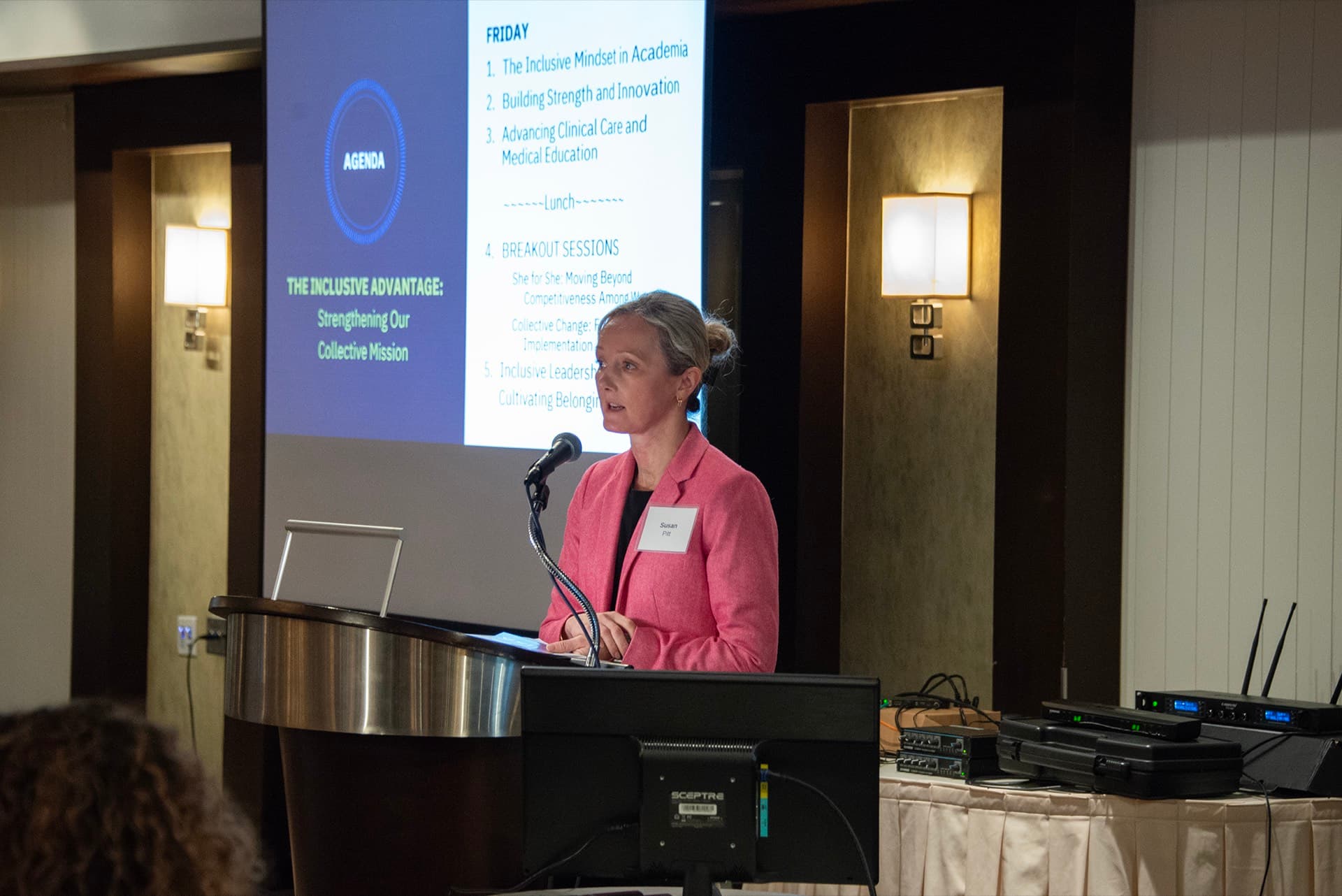
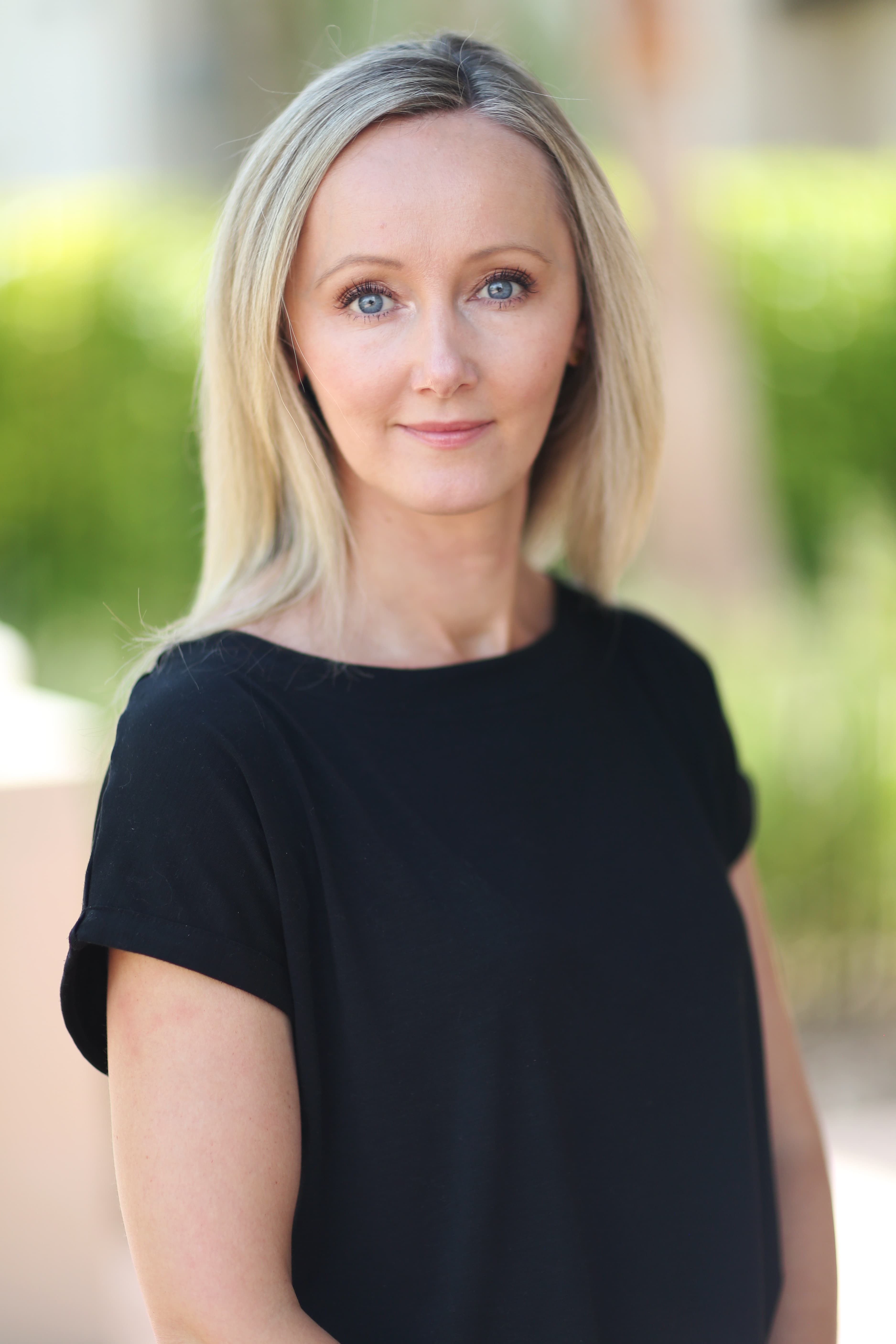
Dr. Susan C. Pitt is an Associate Professor of Surgery, Vice Chair for Faculty Development, and Director of Endocrine Surgery Research at the University of Michigan. Board-certified by the American Board of Surgery with a focused practice designation in thyroid and parathyroid surgery, she brings over two decades of clinical expertise to her work as both a surgeon and a scientist.
Her NIH-funded research program focuses on reducing overtreatment of thyroid cancer through behavioral and communication-based interventions. She founded the CHOiCE Collaborative, a multi-institutional research network spanning more than ten institutions dedicated to transforming how low-risk cancers are managed.
Beyond the lab and operating room, Dr. Pitt is a passionate advocate for women in medicine and a compelling writer. In 2017, she created the #NYerORCoverChallenge, which reached over 400 million people across 53 countries and was covered by CNN, The New Yorker, the Washington Post, and hundreds of outlets worldwide. She is currently developing her first book examining how modern medicine sometimes does too much and what it means to reclaim patient-centered practice.

Surgical Practice
Thyroid Surgery
Dr. Pitt treats the full spectrum of thyroid disease — from benign nodules and hyperthyroidism to thyroid cancer. Her research has shaped how surgeons think about low-risk thyroid cancer, and she brings that same evidence-based philosophy to every patient conversation. When surgery is the right choice, she offers both lobectomy and total thyroidectomy, always tailored to the individual.
- Fellowship-trained in thyroid surgery at Harvard
- National leader in shared decision-making for thyroid cancer
- Published research on thyroidectomy outcomes and decision-making

Surgical Practice
Parathyroid Surgery
Hyperparathyroidism is one of the most common reasons patients are referred for endocrine surgery. Dr. Pitt uses advanced imaging and localization techniques to perform minimally invasive, targeted operations — often through a small incision with same-day recovery. For complex or recurrent cases, she has extensive experience with four-gland exploration.
- Minimally invasive approach for most patients
- Expertise in reoperative parathyroid surgery
- Board-certified with focused practice designation in parathyroid surgery

Surgical Practice
Adrenal Surgery
Adrenal tumors — whether discovered incidentally or causing hormonal excess like Cushing’s syndrome or pheochromocytoma — require careful evaluation before any decision about surgery. Dr. Pitt works closely with endocrinologists to determine when an operation is truly needed, and favors minimally invasive laparoscopic techniques whenever possible.
- Collaborative approach with endocrinology
- Laparoscopic and retroperitoneoscopic techniques
- Thorough hormonal workup before recommending surgery
Common Questions
Frequently Asked Questions
Answers to common questions about thyroid surgery, recovery, and what to expect — based on current evidence and clinical experience.
Not all thyroid nodules require surgery. Most nodules are benign and can be monitored with regular ultrasounds. Surgery is typically recommended when a nodule is suspicious for cancer, causing symptoms like difficulty swallowing, or producing excess thyroid hormone. A thorough evaluation including ultrasound and sometimes a fine-needle biopsy will help determine the best approach for your specific situation.
A lobectomy removes one half of the thyroid gland, while a total thyroidectomy removes the entire gland. For small, low-risk thyroid cancers and most benign nodules, a lobectomy is often sufficient and allows the remaining thyroid to produce hormones naturally. A total thyroidectomy may be recommended for larger cancers, bilateral disease, or when the entire gland is affected. The choice depends on your diagnosis, preferences, and a shared conversation with your surgeon.
Active surveillance is an evidence-based alternative to immediate surgery for small, low-risk thyroid cancers. Instead of operating right away, your doctor monitors the cancer with regular ultrasounds — typically every 6 to 12 months. Research shows that most low-risk thyroid cancers grow very slowly or not at all, and delaying surgery does not worsen outcomes. This approach avoids the risks of surgery while keeping it available if the cancer changes.
Thyroid surgery is generally safe, but like all operations it carries risks. The two main concerns are changes to your voice (from injury to the recurrent laryngeal nerve) and low calcium levels (from injury to the parathyroid glands). These complications are uncommon, especially with experienced, high-volume surgeons. Most patients go home the same day or the next day, and full recovery typically takes 1 to 2 weeks.
Most patients return to normal daily activities within a few days and to work within 1 to 2 weeks. Strenuous exercise and heavy lifting should be avoided for 3 to 4 weeks. You may experience some neck stiffness, mild soreness, and a hoarse voice for a few days after surgery. Your surgeon will schedule follow-up appointments to check your incision, monitor calcium levels if needed, and adjust any thyroid medication.
If your entire thyroid is removed, you will need to take thyroid hormone replacement medication (levothyroxine) daily for the rest of your life. If only half is removed, most patients do not need medication because the remaining thyroid produces enough hormone on its own. Your doctor will check your thyroid levels with a blood test 6 to 8 weeks after surgery to determine if medication is needed and to find the right dose.
Shared decision-making is a collaborative approach where the surgeon and patient work together to make treatment decisions. Rather than simply being told what to do, you discuss the options, the evidence behind each one, and what matters most to you — whether that is avoiding surgery, minimizing risk, or preserving quality of life. Dr. Pitt's research focuses on making shared decision-making the standard in thyroid cancer care.
Look for a surgeon who is fellowship-trained in endocrine surgery and performs a high volume of thyroid operations each year. Ask about their personal complication rates, not just national averages. A good surgeon will take time to explain your options, answer your questions, and involve you in the decision. Board certification and a focused practice in thyroid and parathyroid surgery are also important indicators of specialized expertise.
Free Patient Guide
5 Questions to Ask Before Thyroid Surgery
A free, evidence-based guide by Dr. Pitt to help you prepare for your surgeon consultation. Enter your email to download instantly.